



SCEMEN
2024 | Venezia Giulia IGT Sauvignon
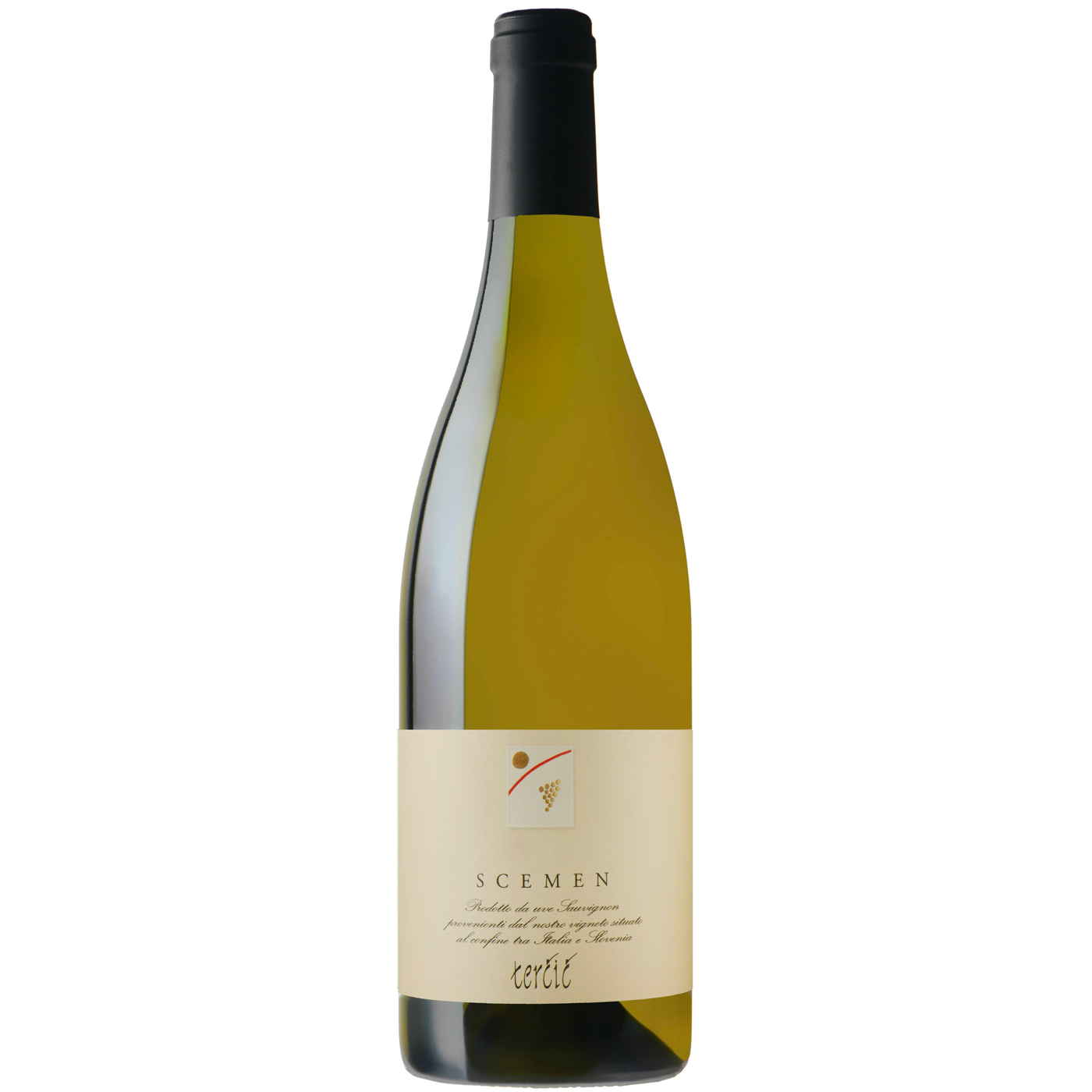
Category: white, dry
Grapes: Sauvignon
Location: Farra d’Isonzo and San Floriano del Collio
Viticultural area: Isonzo and Collio
VINEYARD
Soil profile: shallow soils, with abundant pebble and gravel, stratified Eocene marl and sandstone
Training method: guyot
Vine density: 5.800 vines /ha
Planting age: 24 years
Harvest period: first half of September
VINIFICATION
De-stemming-crushing
Pre-fermentation cold maceration: 8°-10° C
Pre-fermentation cold settling
Fermentation: 18°-22° C
Yeast: selected
Malolactic fermentation: not made
Maturation: 9 months on the lees
Clarification: gravity settling
Bottling: 3rd July 2025
Bottle-agening: 9 months
TECHNICAL DATA
Alcohol: 14,33% vol
Total acidity: 5,75 g/l
pH: 3,24
Estimated peak of maturation: 5 years
Estimated cellar life: 15 years
A warm, dry growing season shaped the 2024 vintage, with conditions that were generally easy to manage in the vineyard. The fruit remained healthy throughout the season and ripened steadily, although the lack of rain early on meant that soil moisture needed careful attention.
Growth started early, with the vines becoming active in early March and budbreak following by the end of the month. April brought plenty of warmth, pushing the vines ahead quickly, until a brief cold spell around April 19–20 checked progress and caused some localized damage in lower-lying sites. From that point on, the season settled into a smooth rhythm. Flowering came in around the third week of May and passed quickly, setting the crop up evenly.
The early summer months were consistently warm and dry, which suited the vines well and allowed the bunches to develop without pressure. A hailstorm in early July had little impact overall, but a second storm in mid-August, close to harvest, trimmed yields slightly.
Picking began on August 29 with Pinot Grigio, in settled weather that allowed for a calm and orderly harvest. The fruit came in healthy and ripe, with a natural balance between sugar and acidity. pH levels were a touch higher than in 2023, but still very much in line with what we would expect.
In the end, 2024 is best described as a smaller but high-quality vintage, where the crop level and fruit profile came together nicely. In terms of how the season unfolded, it sits comfortably alongside years such as 2022, 2018, 2011 and 2008.
Vintages
2023
2023 will be remembered as an unpredictable yet promising vintage, characterized by wines of great interest due to the balance between freshness and aromatic potential. An alternation of warm and rainy periods challenged vineyard management, but the careful attention given to the vines allowed their characteristics to be fully expressed. Unlike 2022, which was defined by a hot and dry climate that promoted uniform ripening, 2023 experienced significant meteorological events that influenced the vine’s vegetative cycle without compromising quality.
Winter recorded above-average temperatures, with a mild January and average precipitation. In contrast, February saw a drastic reduction in rainfall and slightly lower temperatures compared to the past decade, slowing the vine’s vegetative awakening. During spring, cool and warm phases alternated, accelerating the phenological cycle and leading to a rapid, uniform flowering by the end of May.
Summer was marked by variable conditions: while the season appeared very similar to previous ones until June, July brought abundant rainfall and violent storms, with hailstorms affecting the Collio and Isonzo areas, causing limited damage to vineyards facing west or northwest. August recorded above-average rainfall, accumulating greater water reserves than in recent years. These conditions slowed veraison and postponed the harvest, which began on September 7—a delay of 7–10 days compared to 2022.
In terms of production, yields were 25% lower than the previous year. However, the grapes demonstrated good quality, with a slightly lower-than-average sugar content but high acidity, ensuring balance and freshness along with excellent aromatic potential.
2022
2022 witnessed notable shifts in weather patterns. The year began with temperature inversions and a prolonged dry period with below-average rainfall. Budding commenced around 10th April and flowering was earlier than usual, with the first blossoms already open by 19th May. Spring experienced minimal rainfall, a trend that continued through the warm, dry summer months, leading to drought in certain areas. Irrigation became necessary, especially in the plains, but nevertheless, the grapevine cycle proceeded normally, with veraison of the pinot grigio around 11th July. August and, notably September, saw rain which contributed to excellent ripening. The final quarter of the year remained dry, with minimal water supply. Grape quality was excellent, with above average sugar accumulation, and total acidity and pH in line with historical precedents. The wines present a round, intricate profile in their early years, with excellent ageing potential, particularly in the case of Merlot.